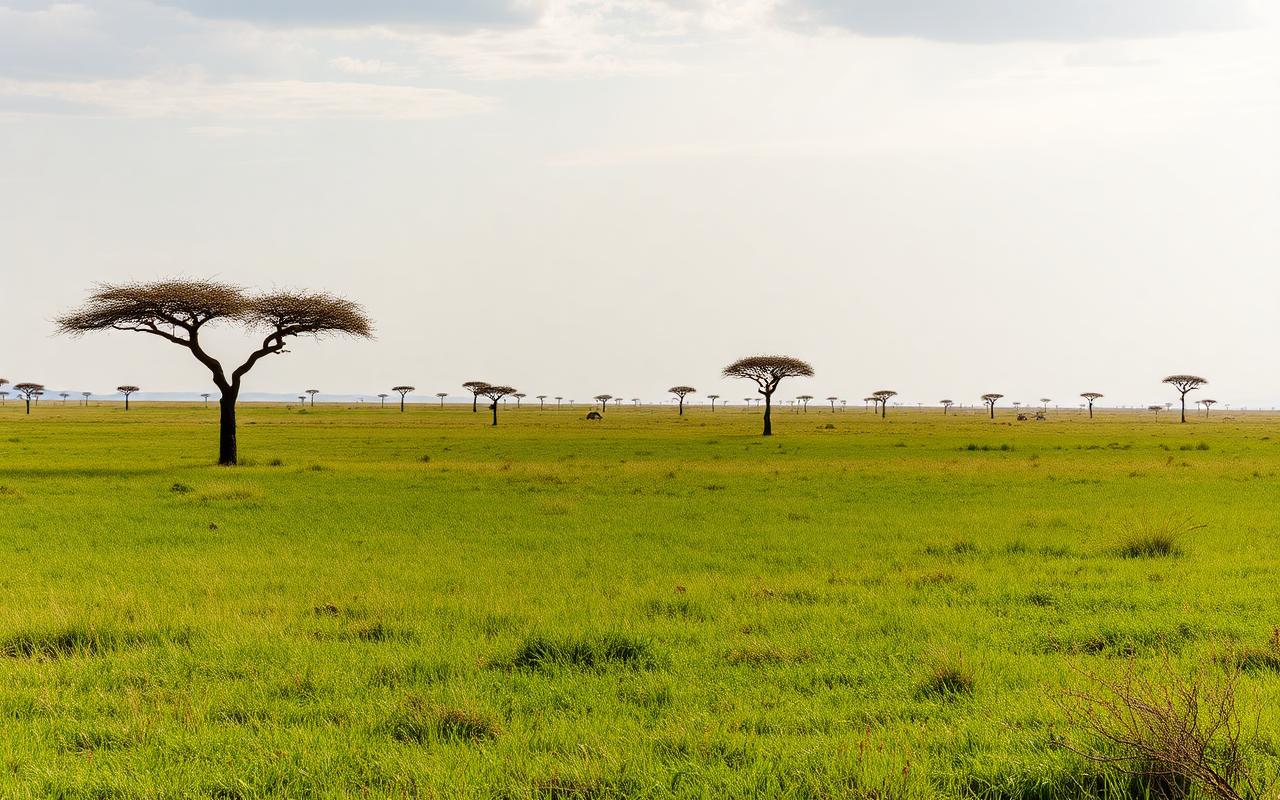
Open Grasslands
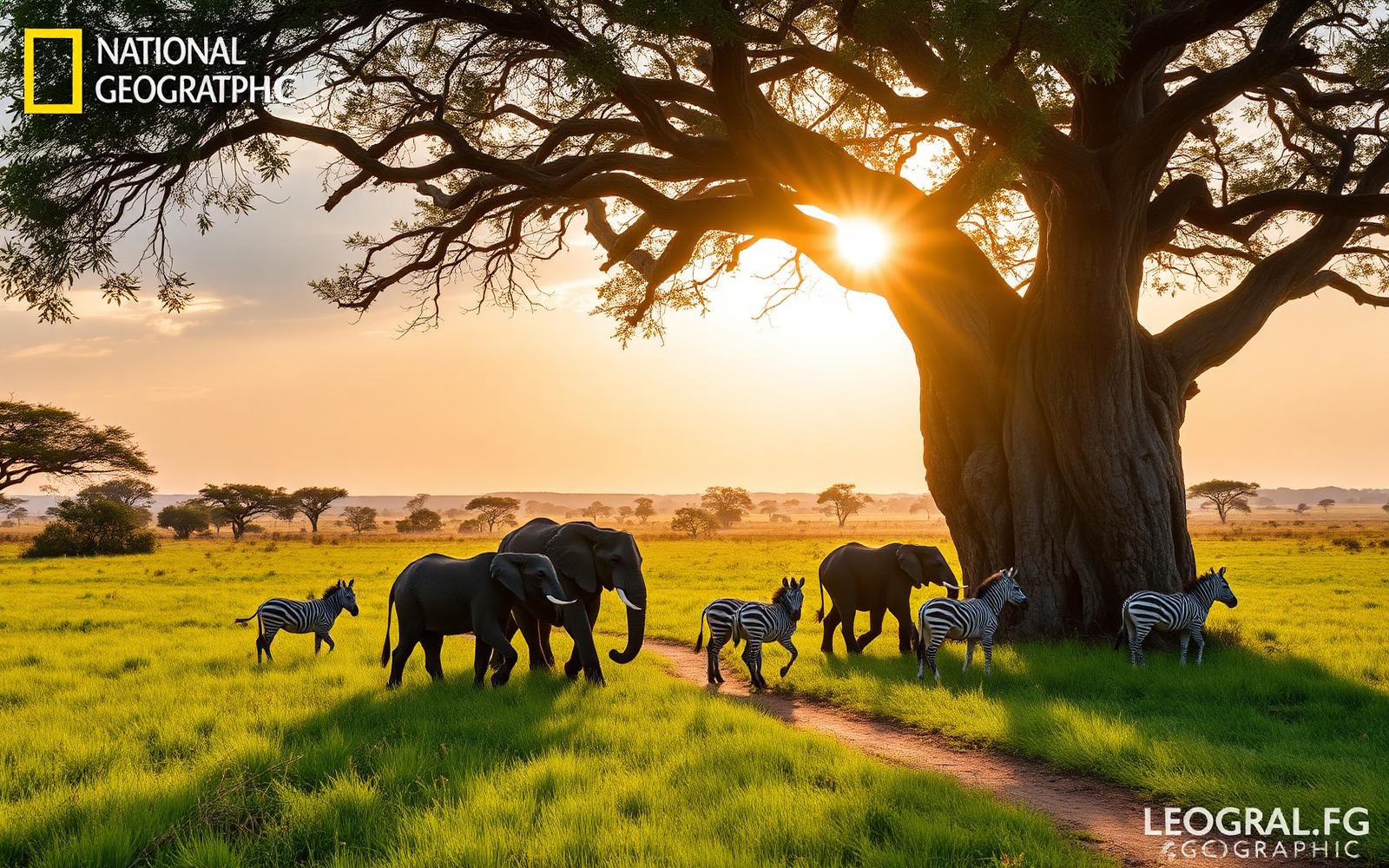
Endless seas of grass dotted with acacia and baobab trees, supporting the largest herds on Earth.
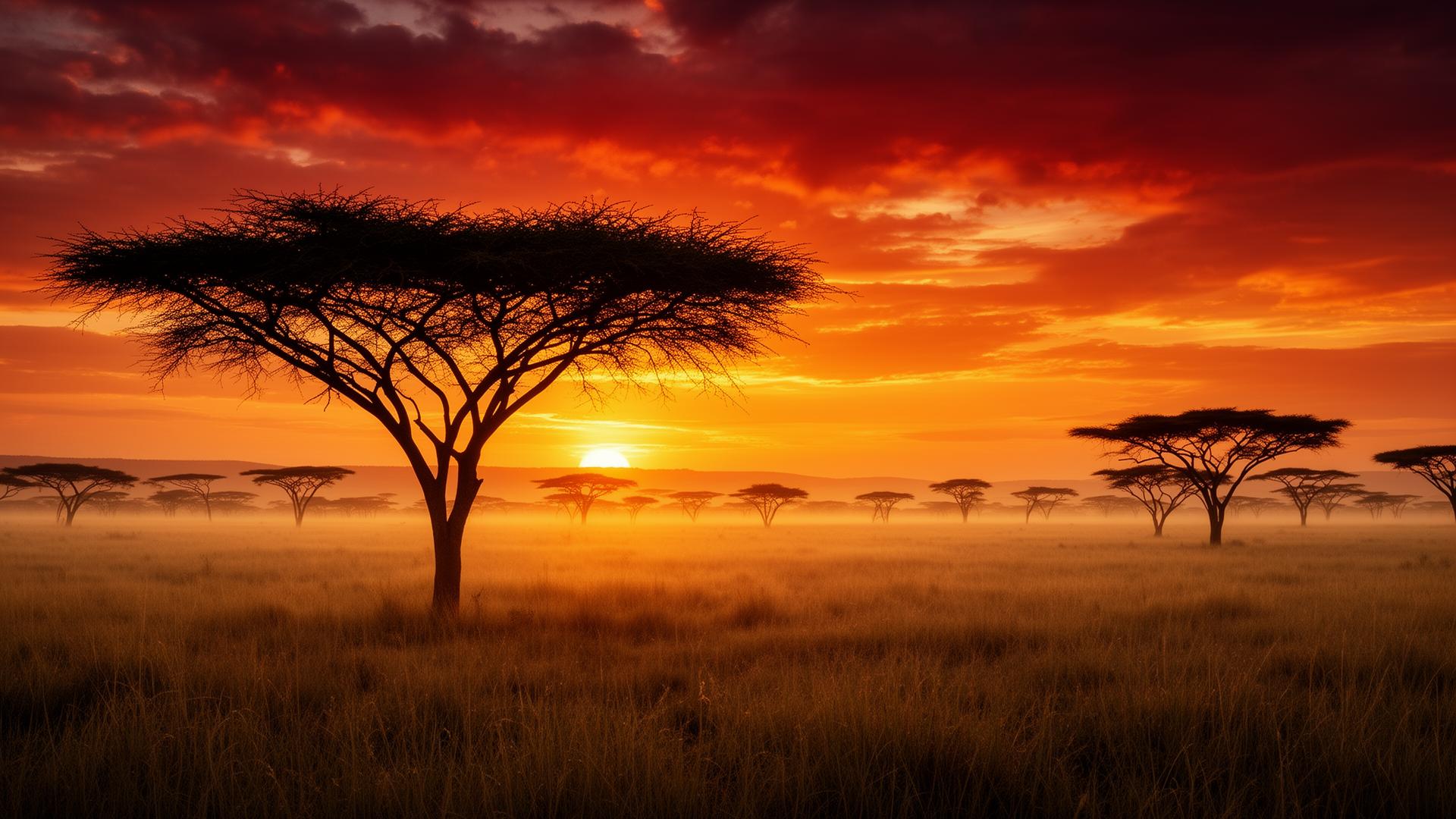
African Savanna Biome Project
How is human impact affecting savanna biodiversity, and what possible solution can protect the ecosystem?
Explore the Ecosystem →01 — Biome Background
A vast mosaic of open grasslands and scattered acacia trees, the African savanna pulses to the rhythm of two seasons — wet and dry — where fire, soil, sunlight, and water shape every life form within it.
Endless seas of grass dotted with acacia and baobab trees, supporting the largest herds on Earth.
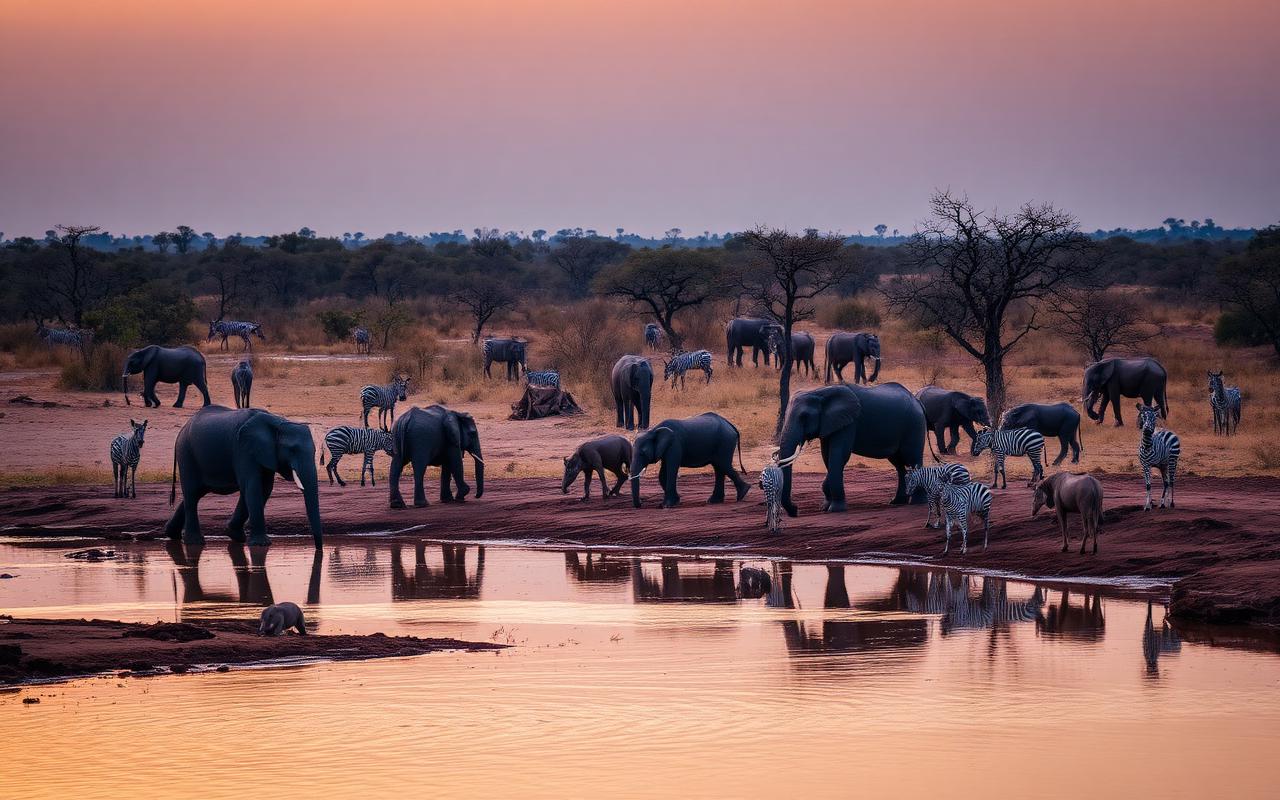
Lifelines during the dry season — concentrated meeting points for prey and predators alike.
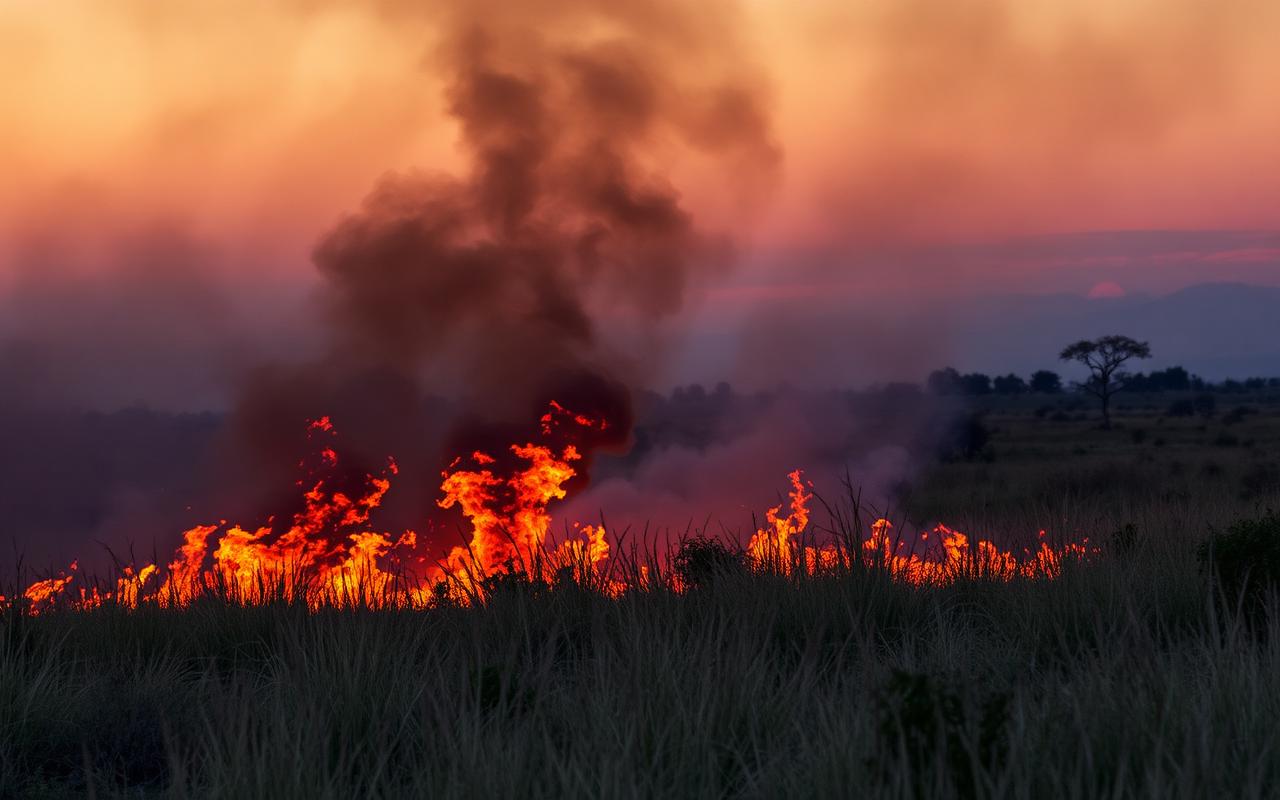
Natural and managed fires recycle nutrients and prevent forest takeover, sustaining the grasses.
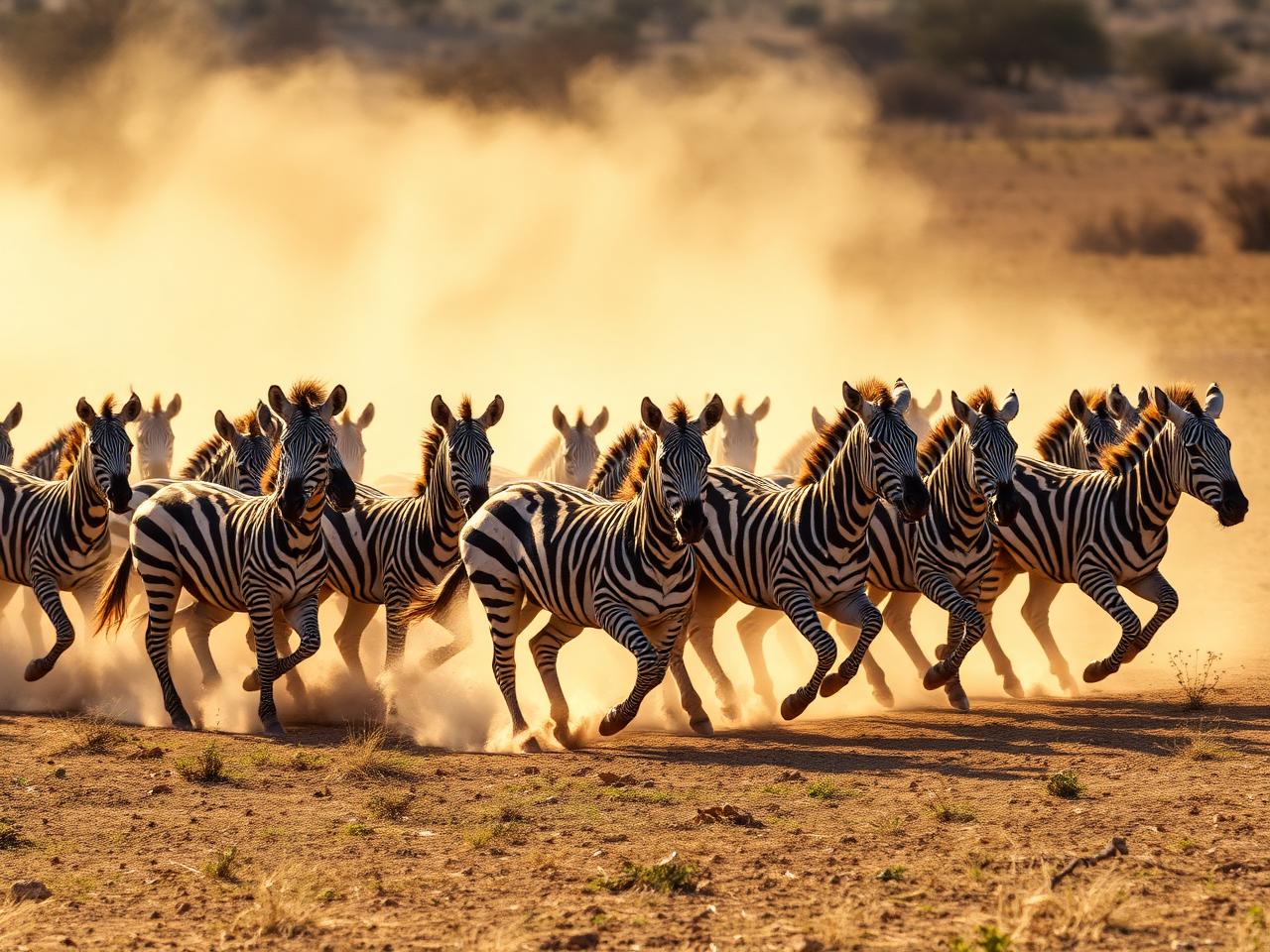
Zebras, wildebeest, elephants, and giraffes graze and browse in immense migratory cycles.
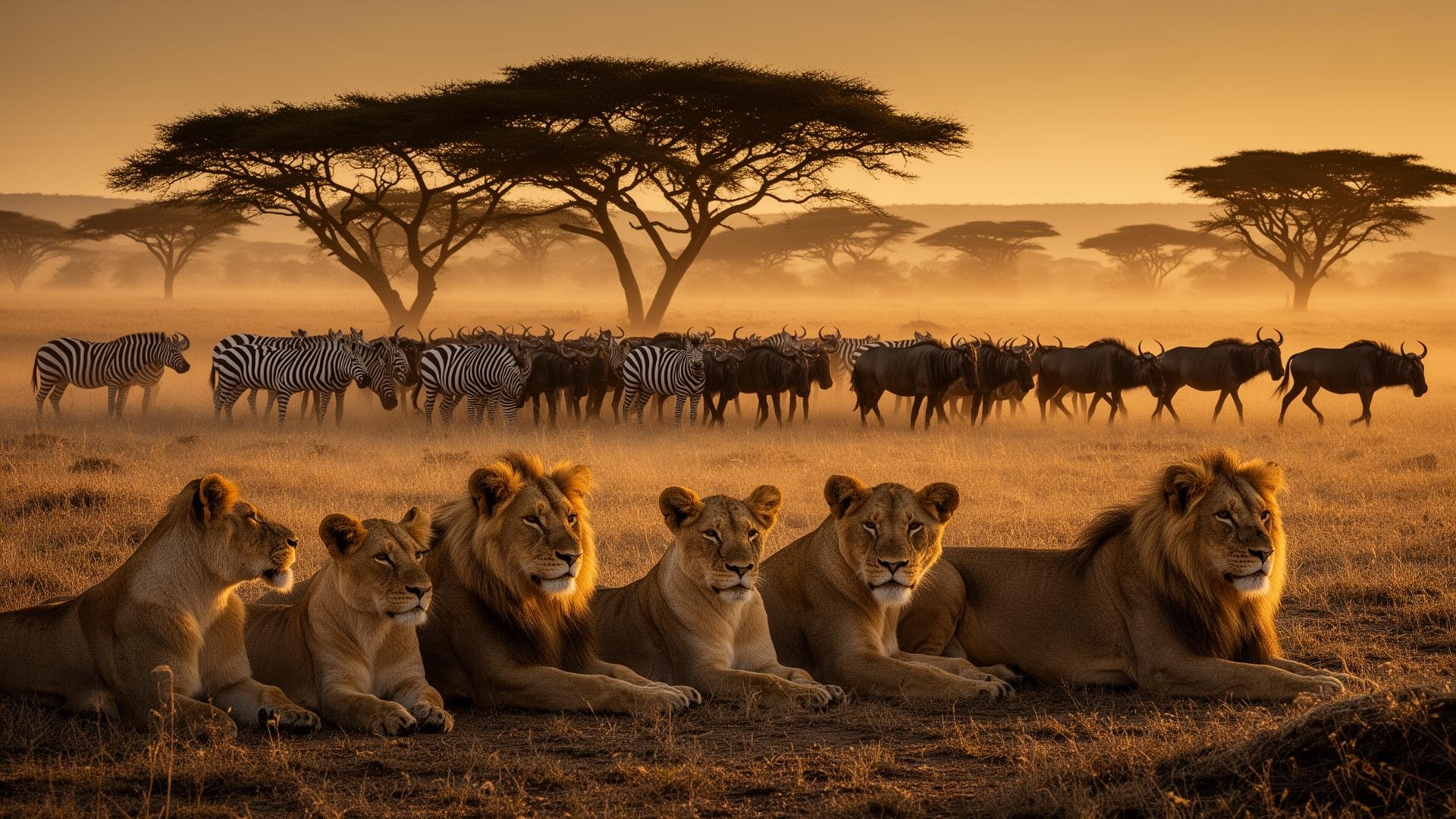
Lions, leopards, hyenas, and wild dogs balance the system from the top of the food chain.
Wet rains bring abundance; dry months test every animal's adaptation and endurance.
02 — Abiotic Factors
Warm year-round (20–30°C), intense equatorial sun drives photosynthesis and evaporation.
50–125 cm per year, concentrated in a single wet season that triggers explosive growth.
Rivers and shrinking waterholes determine where animals gather, especially in drought.
Mineral-rich but shallow soils favor grasses over deep-rooted forest.
Lightning-sparked fires reset the grasslands, releasing nutrients and clearing dead growth.
Rains bring abundance; dry months force migration and reveal the savanna's hard edge.
03 — Focal Species
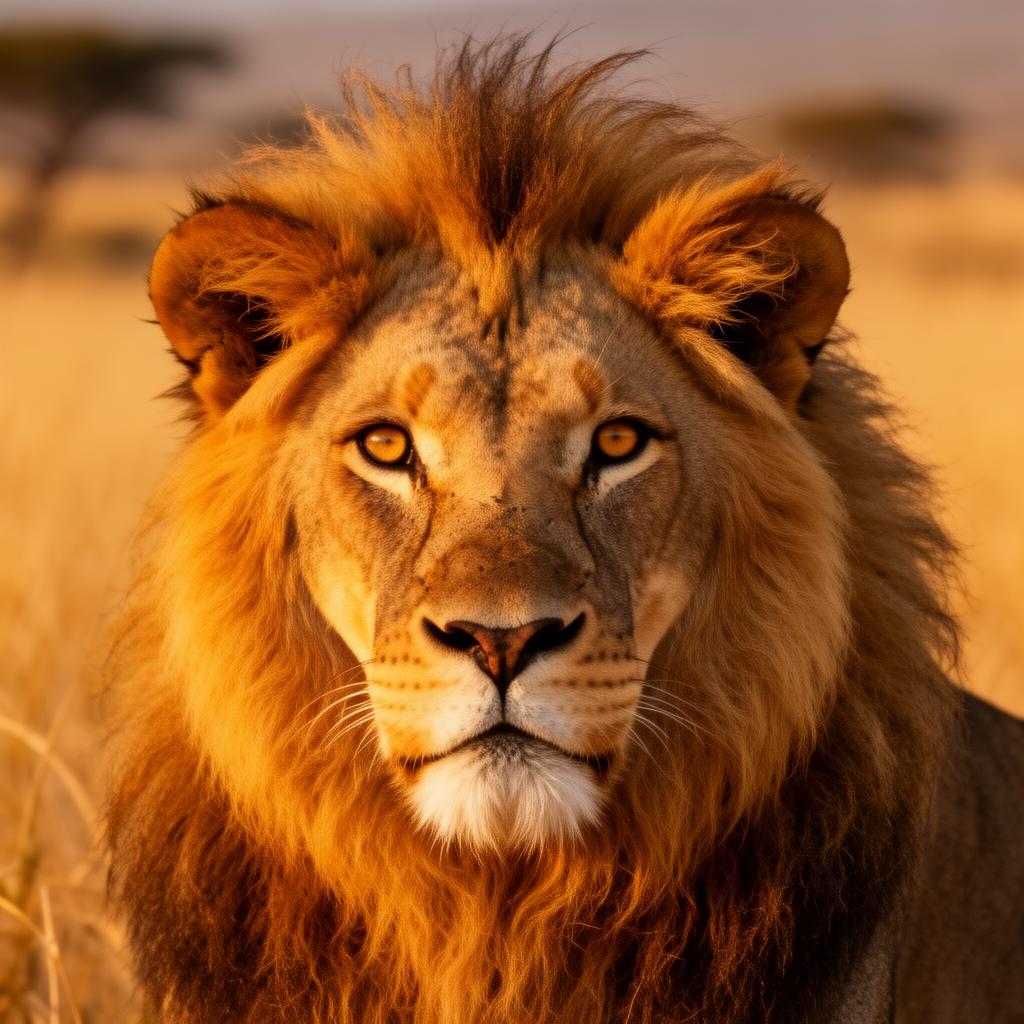
Panthera leo leo
04 — Predator-Prey Balance
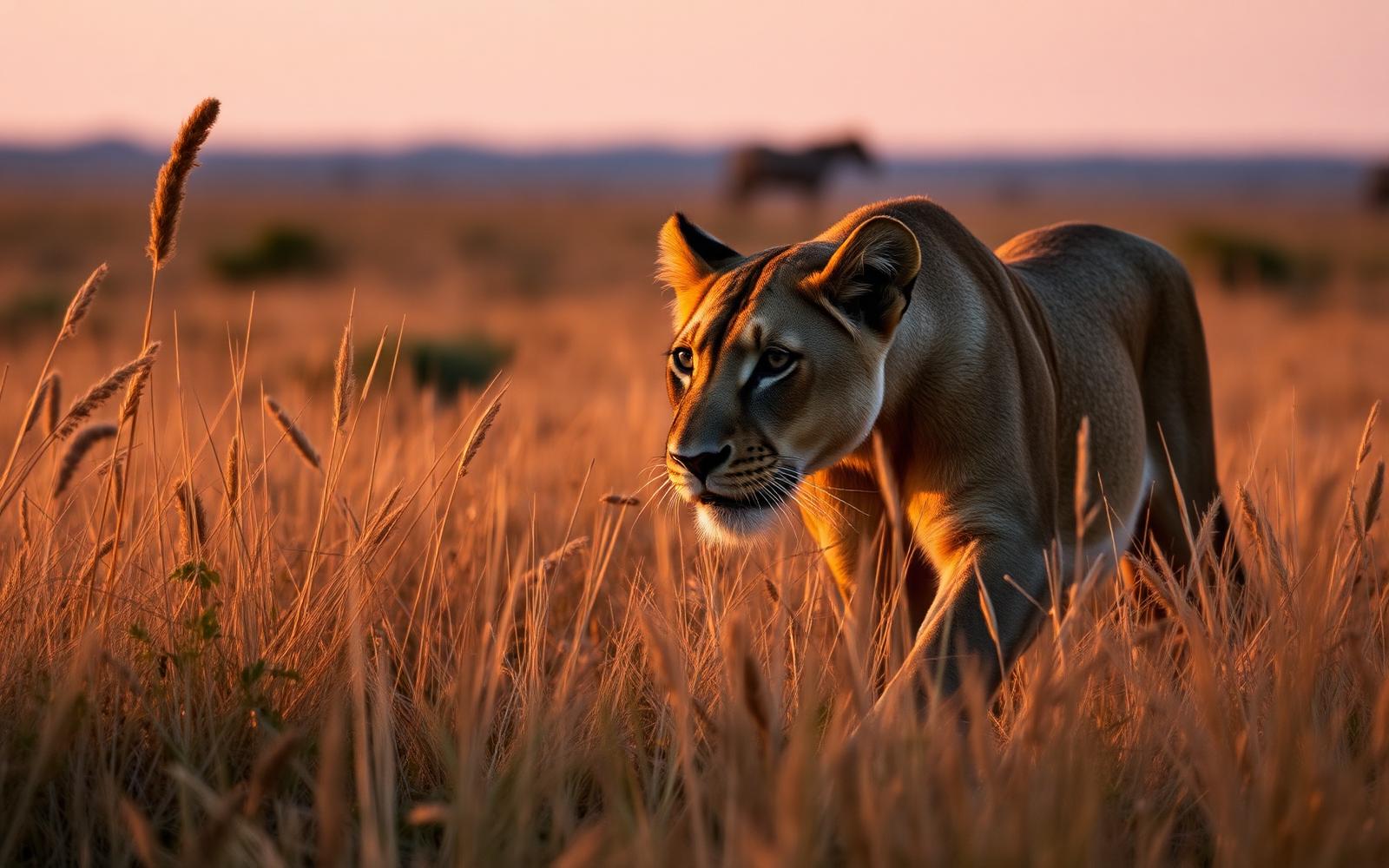
Predator
Camouflage
Tawny coats blend with dry grass for silent stalking.
Strength
Crushing bite force and muscular forelimbs subdue large prey.
Teamwork
Coordinated pride hunts surround and exhaust prey.
Ambush
Use cover and darkness to close distance unseen.
Claws & Teeth
Retractable claws and canines built for the killing bite.
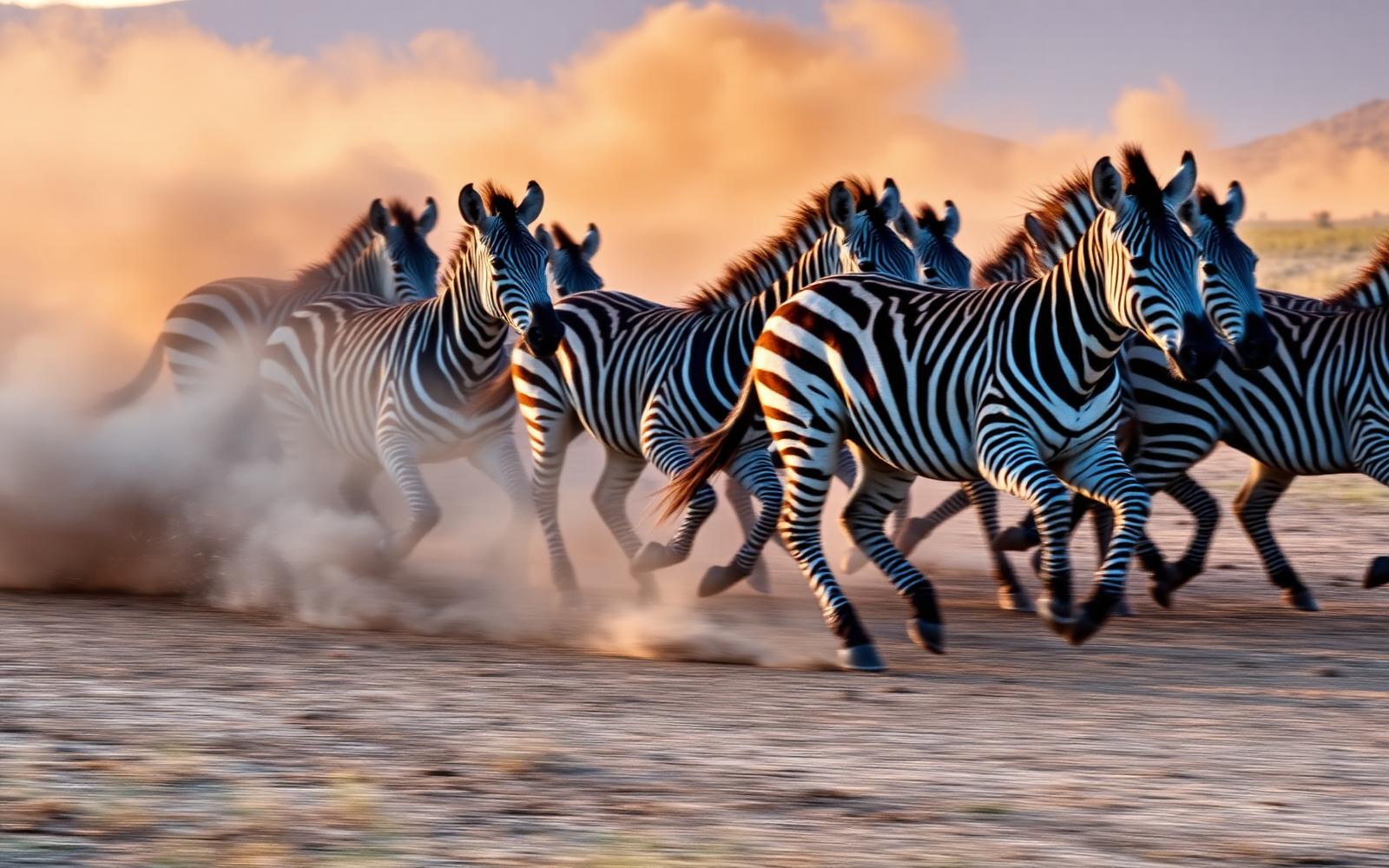
Prey
Speed
Bursts up to 65 km/h to outrun pursuers.
Powerful Kicks
A single rear kick can break a lion's jaw.
Herd Defense
Living in herds dilutes individual risk.
Alertness
360° vigilance, sharp hearing and smell.
Stripes
Visual confusion makes targeting one zebra harder.
05 — Trophic Levels
Energy flows upward through five trophic tiers — every arrow a relationship that holds the system together.
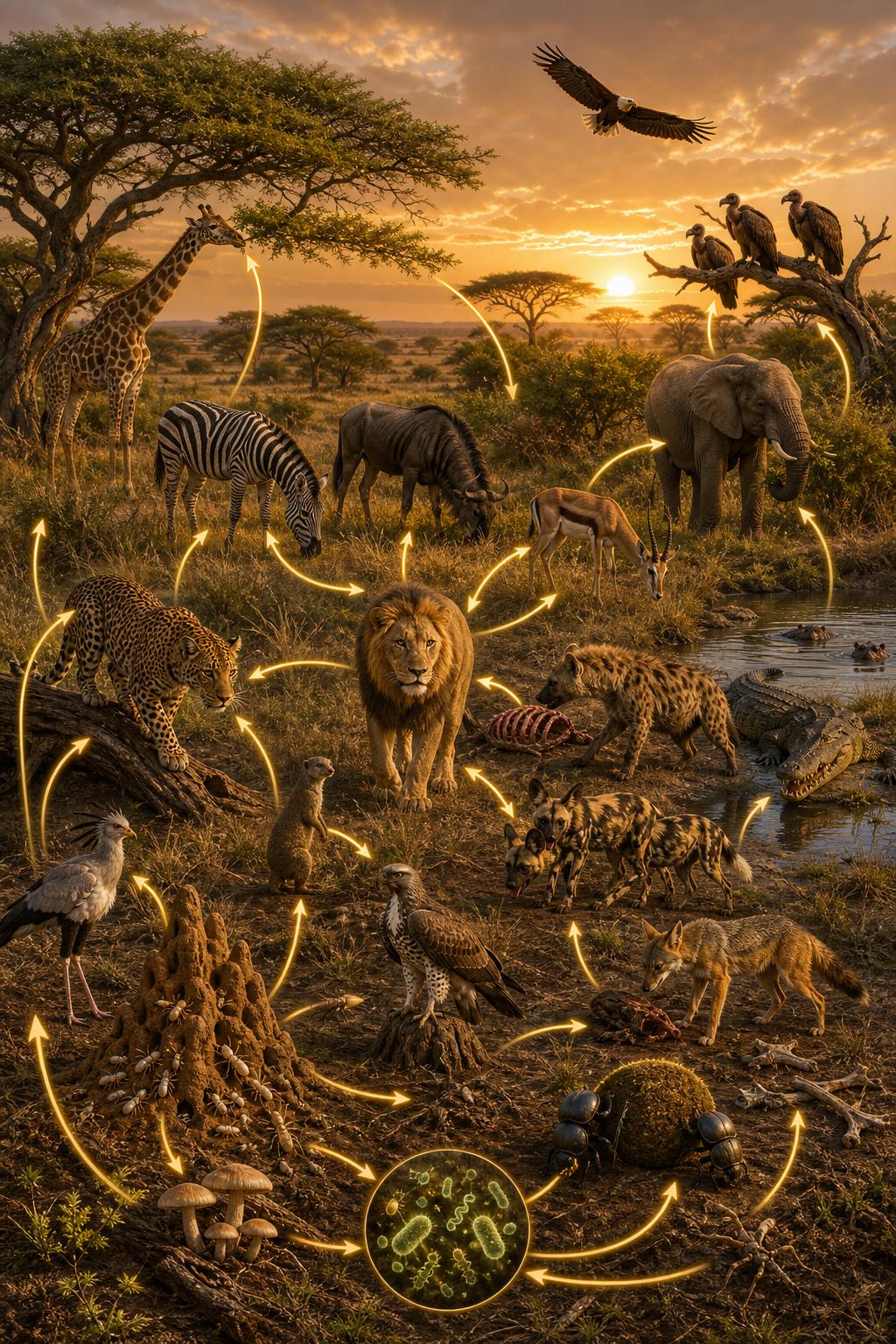
Energy flows from grasses to grazers to predators — every link sustains the savanna.
06 — Keystone Species
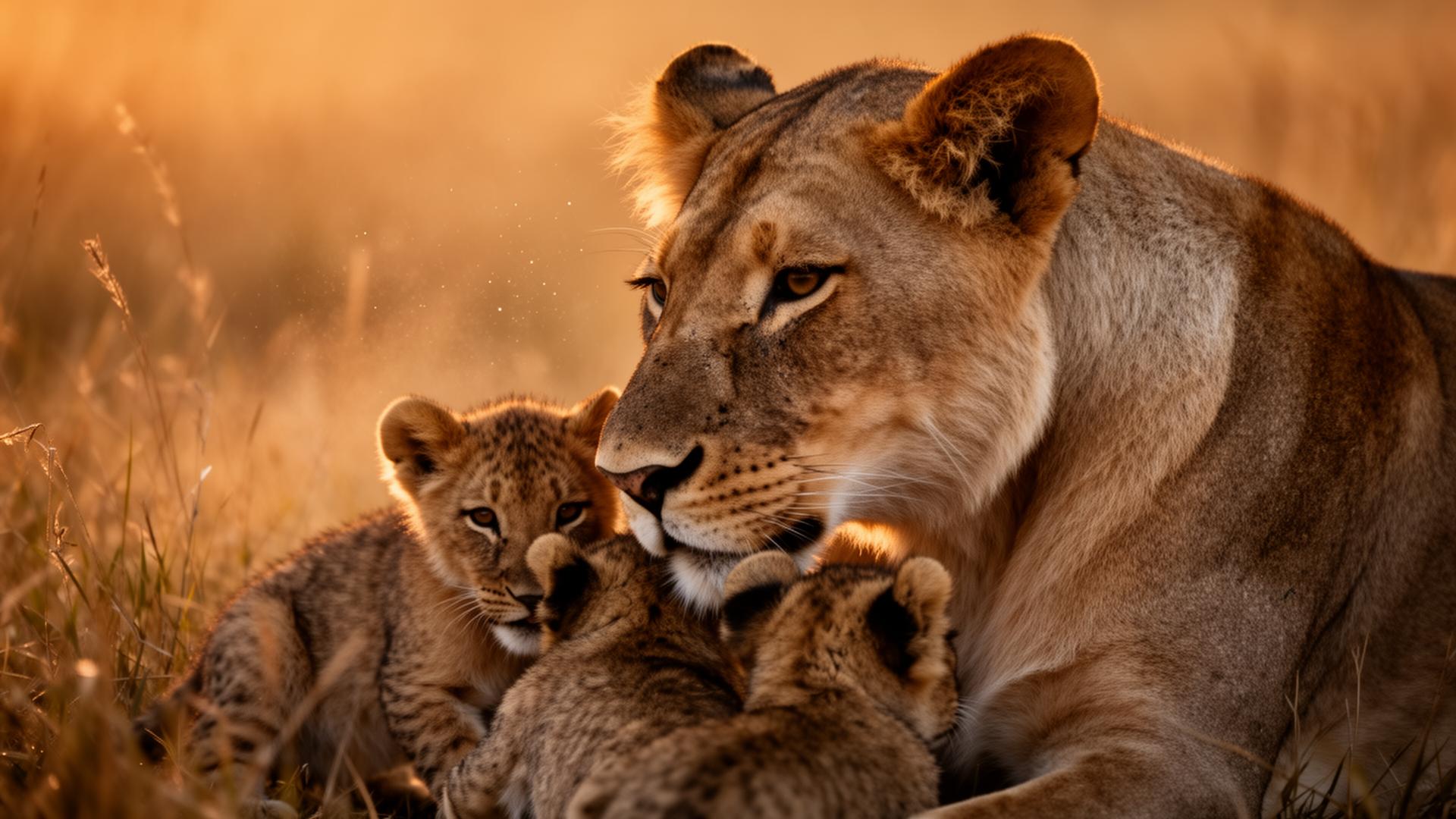
Next Generation
Each cub is the future of the pride.
Lions are apex predators and keystone species as they hold the ecosystem in balance by regulating herbivore populations.
Without lions, herbivores would multiply unchecked, overgrazing the grasslands, eroding soils, and collapsing biodiversity across every trophic level.
"If lions went extinct in the African savanna, herbivore populations would likely increase, causing overgrazing, habitat damage, and reduced biodiversity."
07 — Competition & Reproduction
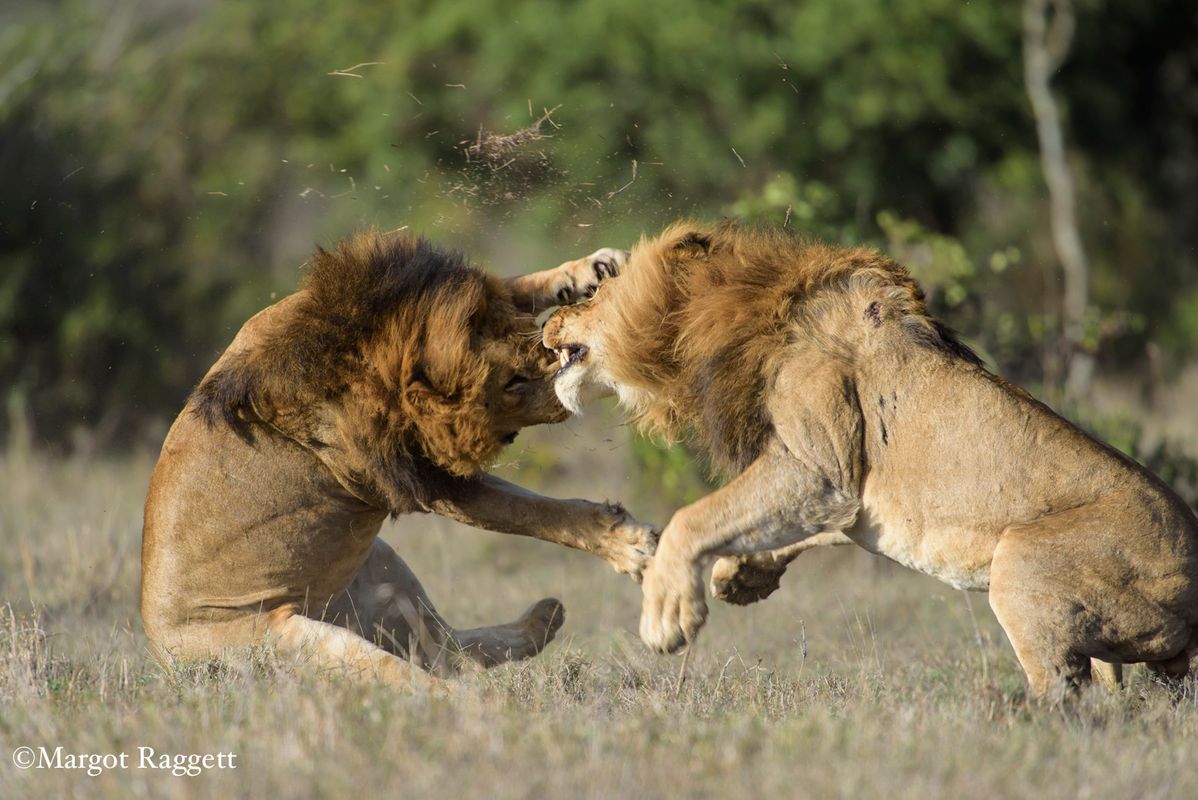
Confrontation
Every meal is contested. Every territory, defended.
Lions compete fiercely with hyenas, leopards, cheetahs, and African wild dogs for prey, territory, water access, and safe hunting grounds.
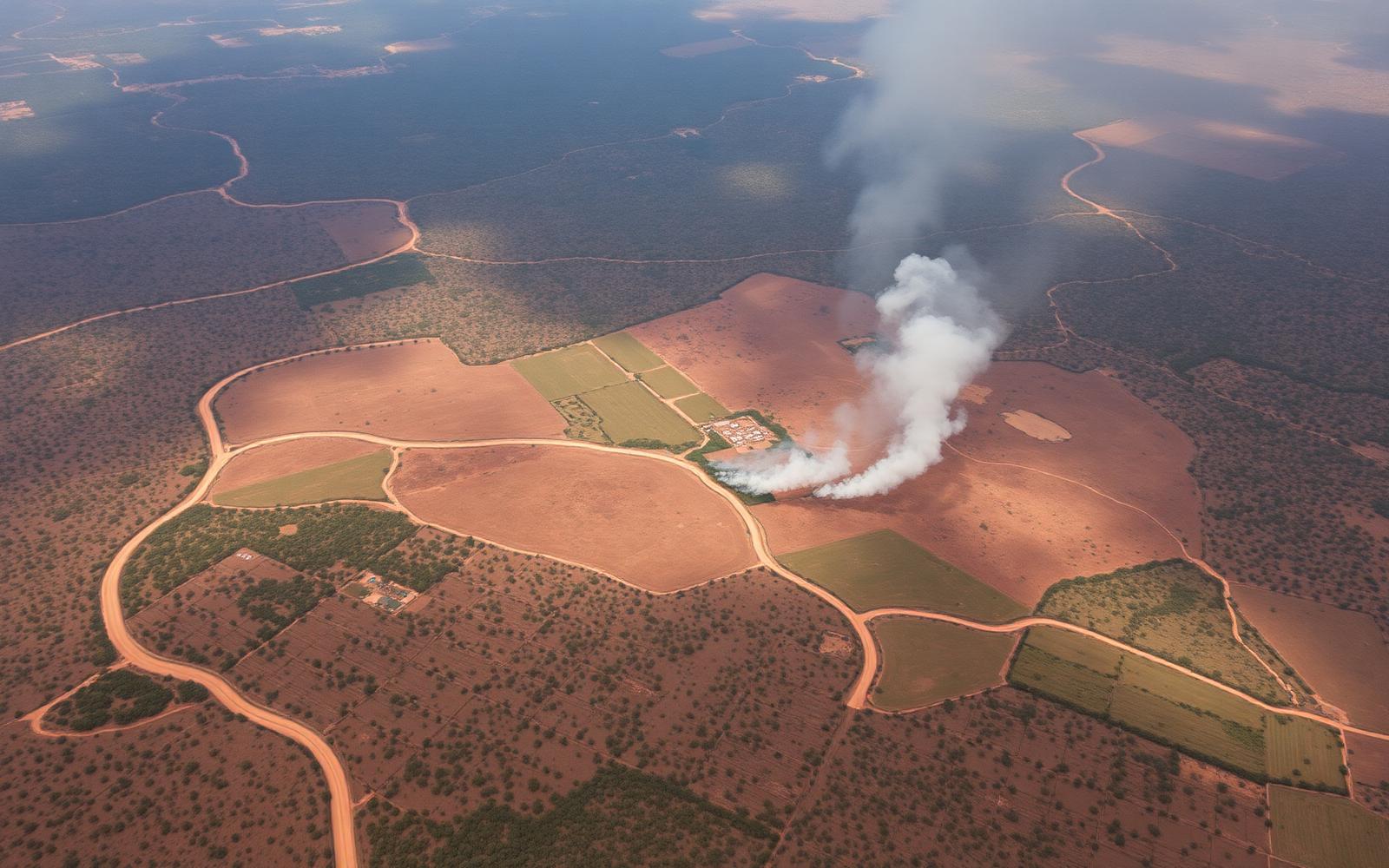
08 — Human Impact
Habitat Loss
Wilderness carved into farmland.
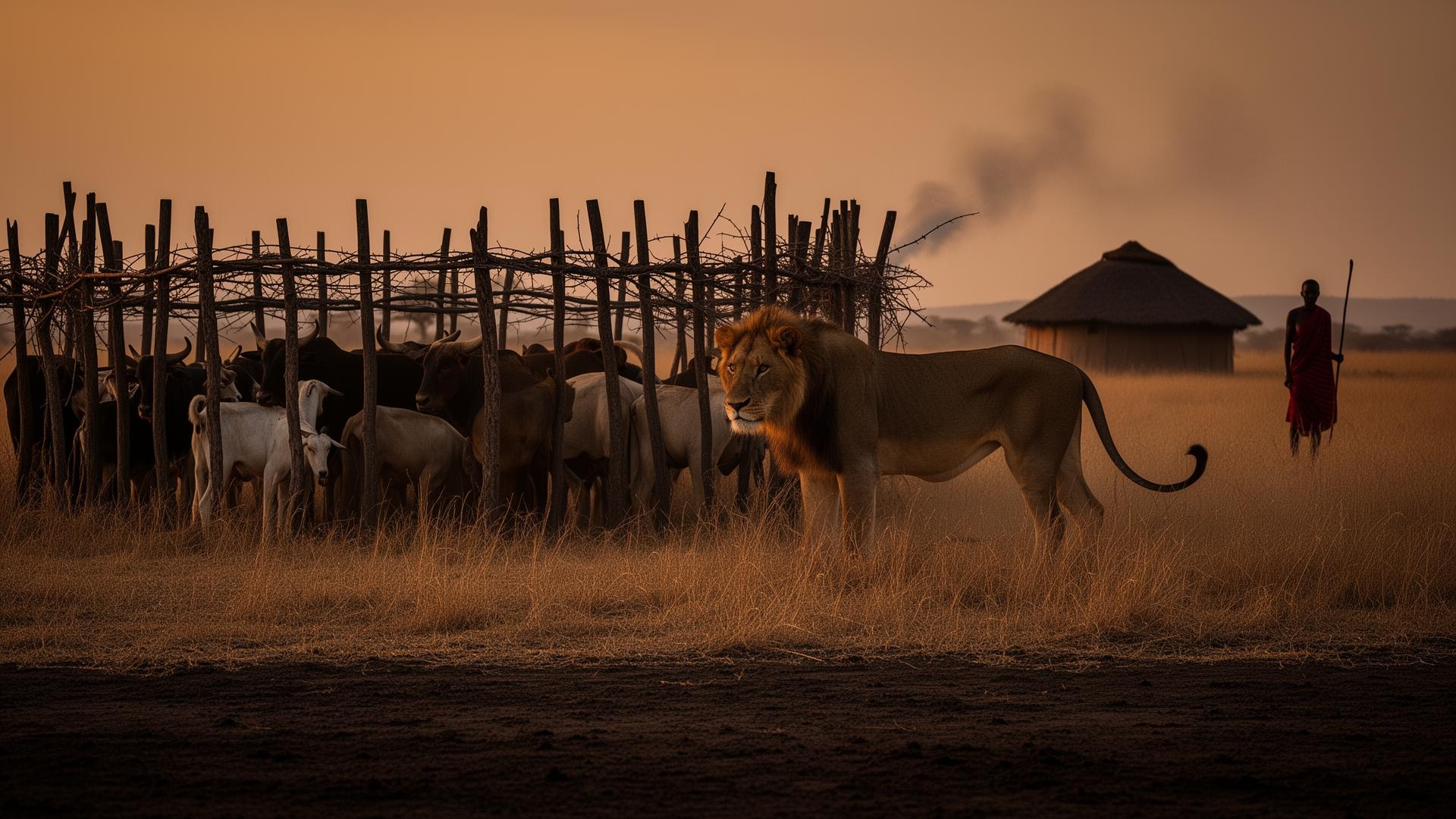
Conflict
Lions and people are forced into the same shrinking land.
Farms, roads, and towns expand into savanna habitat, fragmenting wild range.
Wild prey populations decline as livestock replace native grazers.
Farmers retaliate against lions that attack livestock, killing breeding adults.
Shrinking territories push lions into farms, escalating deadly encounters.
Compounding pressures threaten to unravel the savanna's food web — losing the lion means losing the balance.
09 — Solutions
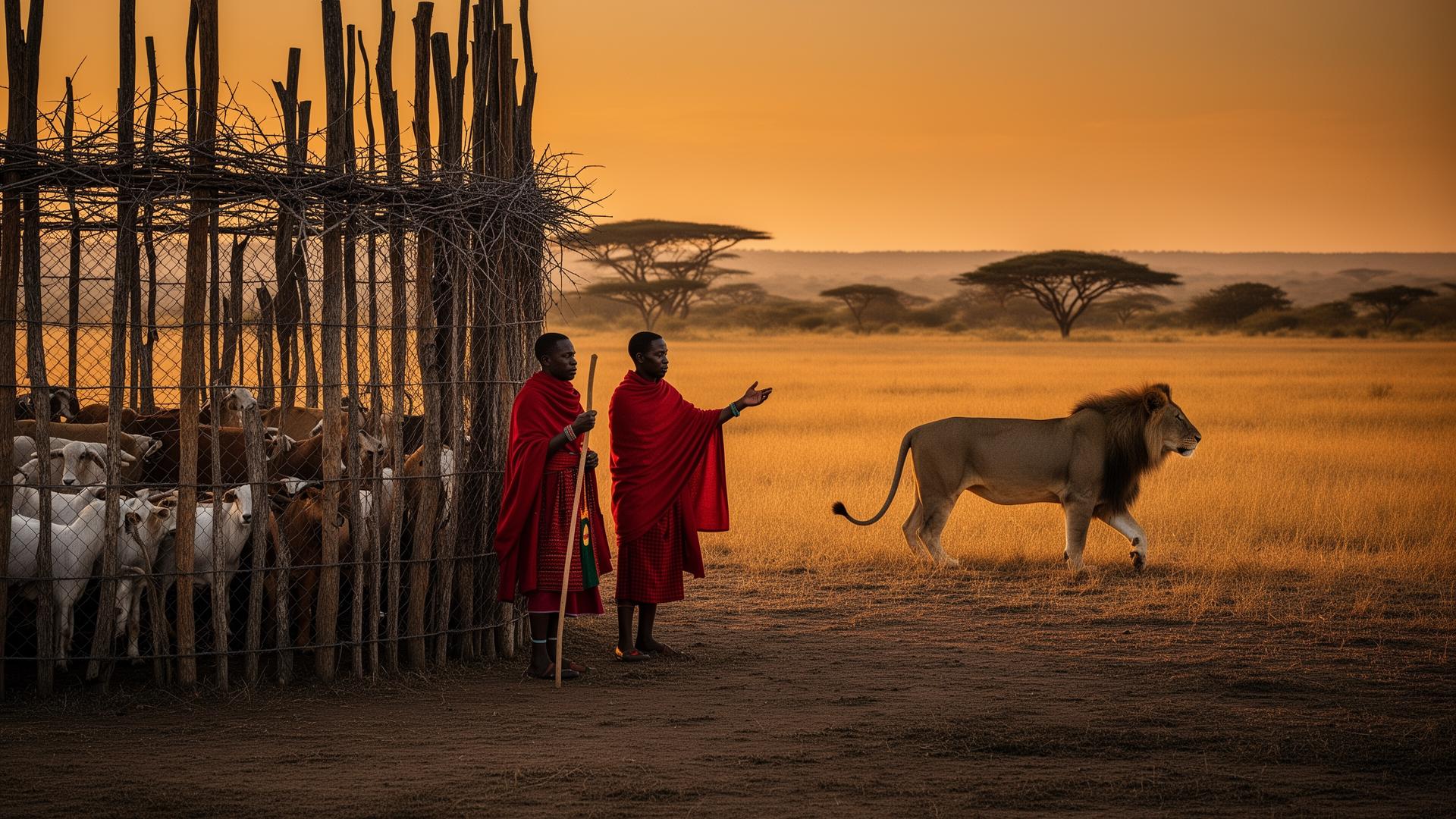
Guardians of the Savanna
A future where lions and people share the land.
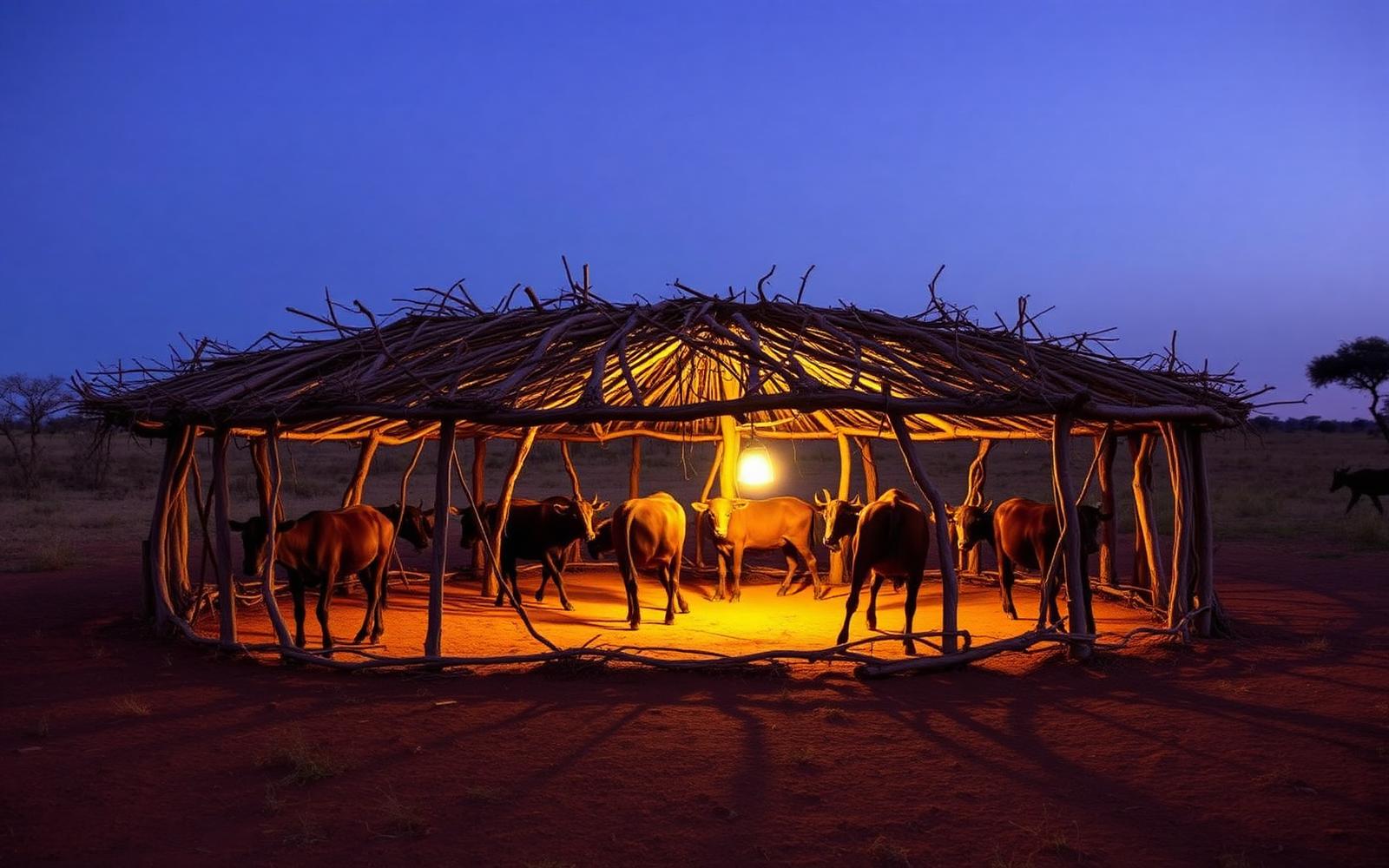
Reinforced livestock enclosures (bomas) keep cattle safe at night, dramatically reducing revenge killings of lions.
Protected pathways link fragmented habitats, letting lions and prey move safely, breed, and maintain healthy populations.
Local-led programs share tourism revenue with villages.
Funds reimburse farmers, easing retaliation.
Trained rangers protect lions and prey.
National parks safeguard core habitats.
Teach coexistence in schools and villages.
Centering local knowledge in conservation.
10 — References